The Ephemeral Nature of Gaelic Performance
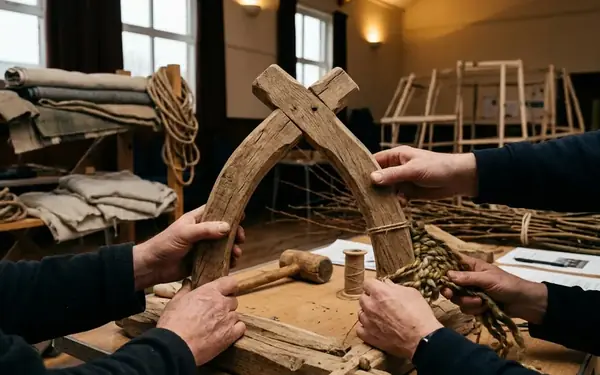
At the first production meeting for a new Gaelic work, the producer, director, stage manager, Gaelic-language adviser, and designated archivist sit down to decide which evidence is needed to reconstruct the performed work. They open a production archive four to eight weeks before the first public performance. This early intervention is critical. Unarchived theatrical productions result in immediate cultural loss once the final performance concludes.
Sustained cooperation over consecutive review cycles with organizations like Pròiseact nan Ealan demonstrates that establishing a documentation strategy during rehearsals prevents the loss of critical linguistic and staging nuances. A comprehensive archive requires scripts, audio-visual records, and contextual ephemera. The team must review the capture plan after the first technical rehearsal to ensure all elements are actively tracked.
Volatile records such as rehearsal annotations, temporary sound files, and revised cue sheets vanish quickly. Collect these materials within one to three days of their creation. Shared drives and personal devices are commonly cleared soon after a production closes. A minimum production set comprises the final performed script, stage-management prompt book, full-stage video, uncompressed audio master, cast and creative-team credits, production photographs, publicity material, rights documentation, and a metadata record. Securing this minimum set is a proven method for preserving the core of the performance.
Consolidating Scripts, Scores, and Prompt Books
The archivist first identifies the script used at the initial read-through, then requests dated snapshots at major revision points. These points include the rehearsal draft, pre-technical draft, opening version, and final performance script. Track the evolution of the text by archiving these early drafts alongside the final performance script.

A clean final script can misrepresent the production when performers used handwritten Gaelic wording changes recorded only in the prompt book or rehearsal notes. Preserve the stage manager's prompt book to capture blocking, lighting cues, and real-time production adjustments. Record for every textual version: title, author, language or dialect, version date in YYYY-MM-DD form, revision status, page count, file format, depositor, and relationship to earlier and later drafts.
Scan annotated paper scripts and prompt books at 300-400 pixels per inch in full colour. Retain a lossless TIFF master and create a searchable PDF access copy when handwriting and binding permit. Photograph or scan prompt-book foldouts, pasted cue sheets, and facing-page notes in sequence, including blank pages where page order establishes the timing of cues.
Pro Tip: Request final script, score, and prompt-book deposits from about a week before opening through roughly ten working days after the last performance, before working copies are dismantled or overwritten.
Document musical scores with accompanying notes on traditional instrumentation and Gaelic vocal arrangements. This ensures the acoustic heritage of the piece remains legible to future musical directors.
Capturing Audio-Visual Production Records
Capture spoken and musical audio as uncompressed PCM WAV at 24-bit depth and either 48 kHz or 96 kHz. Retain the original channel layout and document microphone model, position, and signal path. Record the complete stage in a stable intraframe or losslessly compressed preservation format, preferably at the camera's native frame rate and with 10-bit 4:2:2 sampling where the equipment supports it.
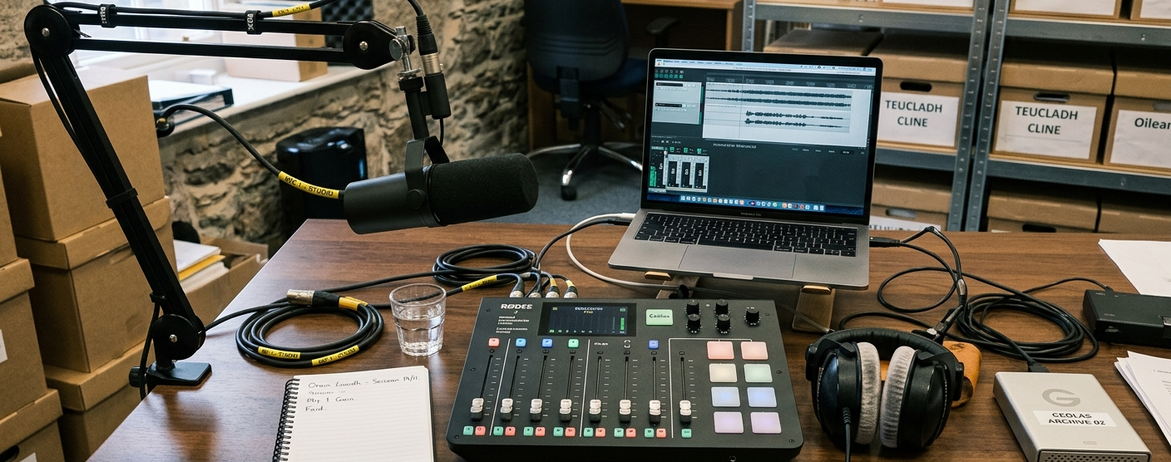
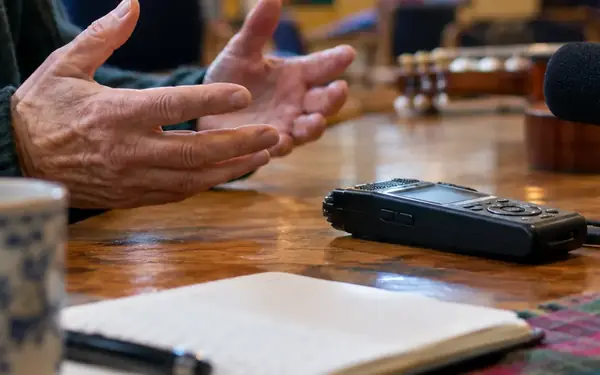
During a technical rehearsal, the archivist and sound lead test microphone placement against the production's quietest speech, sung passages, and loudest music. A camera placed close to the stage may produce clearer faces yet omit entrances, projected surtitles, musicians, or choreographic spacing. Camera placement must follow the production's staging and venue geometry. Use high-fidelity audio recording to accurately capture regional Gaelic dialects and acoustic subtleties, and record wide-angle archival video of the full stage to preserve spatial relationships and choreography.
Where stage management records from St Kilda (Hiort) detail acoustic mapping, the requirement for wide-angle capture emerges clearly. Start every recorder five to ten minutes before the performance and continue for a few minutes after the final curtain or audience exit sound needed for context. Store digital media in lossless formats—such as WAV for audio and ProRes for video, to ensure long-term preservation.
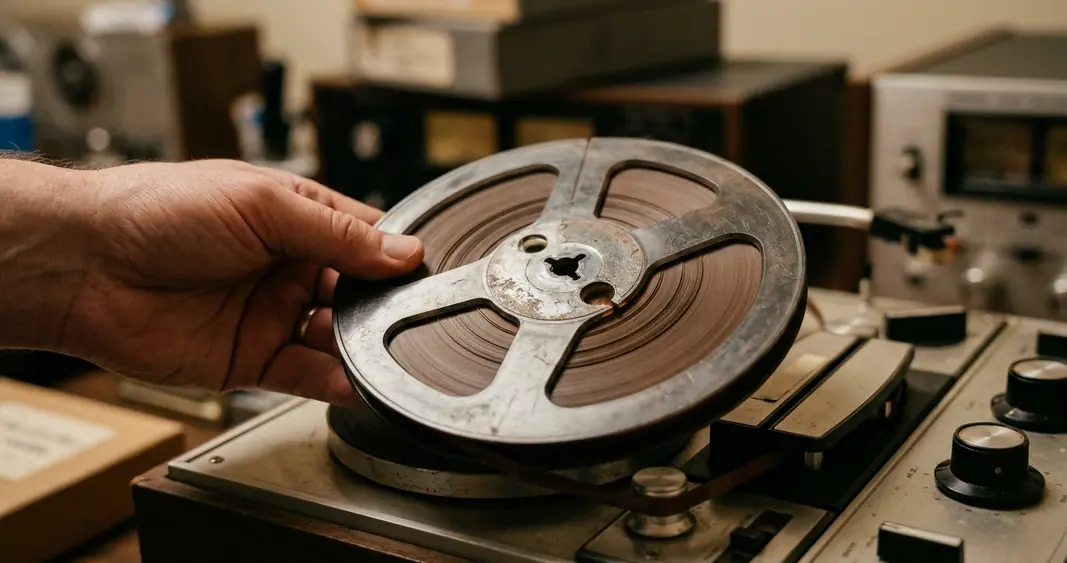
Create a SHA-256 checksum at ingest, verify it after every transfer, and perform an automated fixity check every three to six months. Maintain at least three managed copies on two storage types, with one copy in a separate physical or administrative location. Inspect storage and test file restoration every six to twelve months to maintain file integrity.
Contextualizing the Production Environment
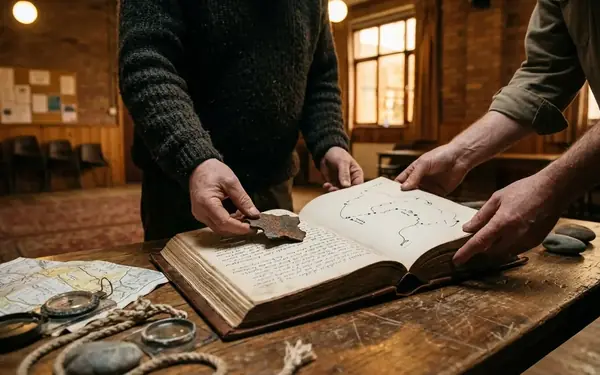
The archive groups ephemera by the activity that produced it: creative development, rehearsal, performance, publicity, or reception. Staff retain both the designed object and evidence of use. Collect physical and digital ephemera, including programs, promotional posters, and ticket stubs.
Capture printed programmes, posters, handbills, and tickets at 300-400 pixels per inch in full colour, including front, reverse, folds, inscriptions, printer marks, and physical dimensions in millimetres. Export web pages, iOS/Android promotional applications, and digital publicity within one to three days of publication and again within a week after the production closes. Retain embedded images, captions, URLs, and capture timestamps.
For productions akin to Na Mo Chuid Aodaich, set and costume records must include creator, creation date, medium, scale, dimensions, scene or character, approval status, and links to production photographs showing the realised design. Archive director's notes, set design sketches, and costume renderings to illustrate the creative vision.
Compile critical reviews and audience reception data to provide historical context for future researchers. Preserve audience-response instruments, anonymised response data, collection dates, question wording, and sampling method for one to three months after the final performance, subject to the stated consent and retention terms. While these preservation standards provide a solid framework for theatrical archiving, their application requires adaptation based on the specific technical infrastructure and staffing capacity of the host venue.
Navigating Rights, Permissions, and Access
Secure written consent from playwrights, composers, and performers specifically for archival preservation and future academic use. Before recording begins, the producer creates a rights map listing each protected contribution: script, translation, music, arrangement, performance, choreography, design, photography, and recorded interviews.
Issue contributor information and consent forms two to six weeks before the first recorded rehearsal. Resolve missing signatures no later than five working days after the final performance. Each permission record should identify the contributor, work or role, permitted uses, access audience, online status, reproduction conditions, embargo period, withdrawal procedure where applicable, signature date, and review date. Clearly define the scope and limits of access; distinguish between materials available for public viewing versus restricted academic research.
Warning: Copyright, performers' rights, data protection, moral rights, contractual terms, and community expectations can impose different controls; archival custody does not itself grant permission to publish or stream a recording.
Address collaborative copyright issues early to prevent legal embargoes on the archived collection. Schedule restricted-access reviews at intervals of 12-24 months and trigger an immediate review when a rights holder dies, a licence expires, or an online-use request exceeds the original grant. Store signed agreements with the collection metadata, but restrict personal addresses, signatures, payment terms, and contact details from public catalogue records. Secure digital rights repositories behind 2FA to protect this sensitive information. For broader frameworks, consult guidance on managing and developing archival collections.
Initiating Your Archival Inventory
Drawing on cataloguing principles established during the curation of Leabhar Mòr na Gàidhlig, begin by creating a standardized metadata spreadsheet for your current or most recent production. The records lead begins with the current production because its creators can still identify undocumented files and explain abbreviations. A provisional inventory is circulated to department heads.
Create the first inventory from the opening technical rehearsal through five working days after the production closes, and complete contributor verification within the following 10-20 working days. Use one row per intellectual item or coherent file set, with columns for collection identifier, item identifier, title, description, creator, contributor, language, dialect or place association, creation date, performance date, version, format, duration or extent, filename, physical location, rights status, access status, checksum, and depositor.
Dialect metadata should reflect participant or language-adviser identification rather than an archivist inferring dialect solely from a recording. List every physical and digital asset, assigning clear file names and physical locations. Apply filenames such as collectionID_itemID_YYYY-MM-DD_version.ext. Use hyphens or underscores consistently, avoid Gaelic diacritics only where a storage system cannot preserve Unicode, and retain the correctly accented title in metadata.
Complete this inventory before the production company disperses to ensure accurate attribution. Package each digital deposit with an inventory, checksums, rights records, preservation masters, and access copies. Before accepting the transfer, verify that a second staff member can locate and open a sample of files within one to three working days—the moment the final performer signs their consent form and the last WAV master passes its checksum, the performance stops being ephemeral and becomes a record future Gaelic companies can restage.