Executive Summary: Honoring a Gaelic Pioneer
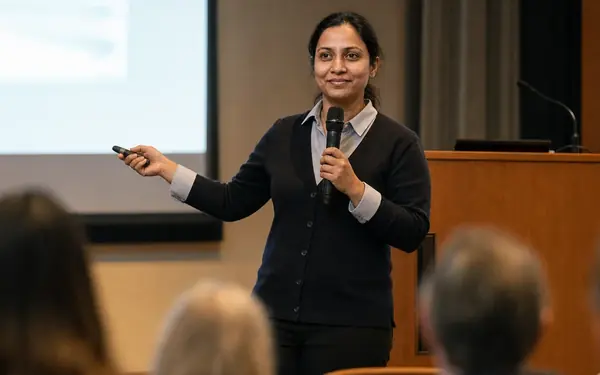
The October 2008 memorial at Eden Court linked three elements into one sequence. Pròiseact nan Ealan worked with HITN and Theatre Hebrides. They also formed the Urras Shìm MhicCoinnich trust on the same timeline.
That single evening therefore served both commemoration and institution building.
The Challenge: Preserving Gaelic Theatre History
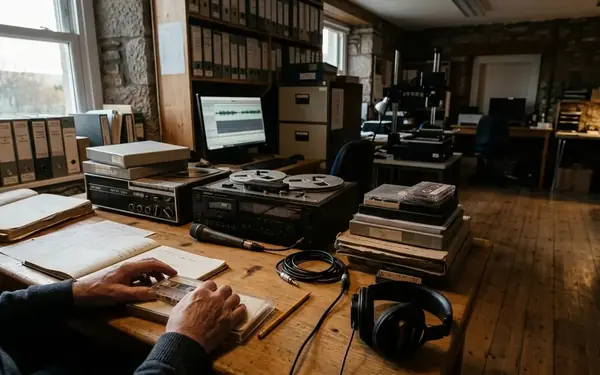
Sìm MhicCoinnich left work across stage, broadcast, and education that risked remaining only in scattered memory. His contributions to Tosg and the founding of Òrdag Sgealbag required deliberate capture. Live productions from those years rarely left complete recordings, so the record depends on programmes, listings, and participant accounts that still exist.
The Solution: A Collaborative Memorial Strategy
After the 7 October announcement the partners chose a shared approach rather than a single-organisation event. They booked Eden Court for its capacity and central Highland location. The seventeen days between announcement and the 24 October gathering gave enough time to coordinate across Gaelic arts administration, theatre networks, and island expertise.
Execution: The 'Celebrating Simon' Performance
The programme combined poetry, song, and drama to match the range of MacKenzie’s career. References to his part in the European opera project Hiort sat alongside material from his broadcasting and stage work. The choices kept the evening focused on the actual span of his contributions instead of a narrower tribute.
Results: Long-Term Cultural Impact and Trust
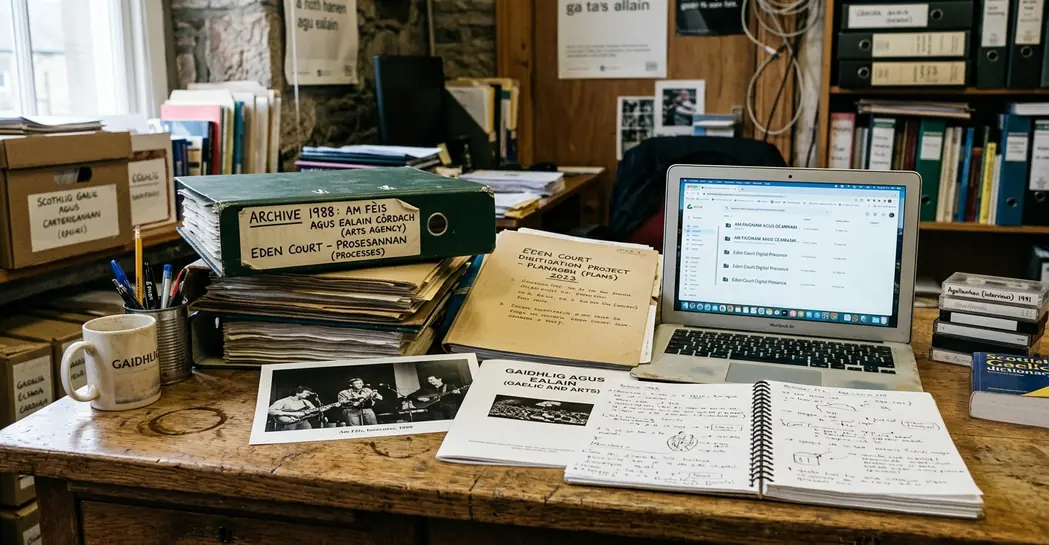
The memorial cycle produced the Urras Shìm MhicCoinnich to fund emerging Gaelic artists. The West Highland Free Press continued its drama competitions under that same umbrella. Archival material connected to MacKenzie was consolidated inside the Scottish Gaelic Arts Agency holdings.
Scope and Limitations of Archival Documentation
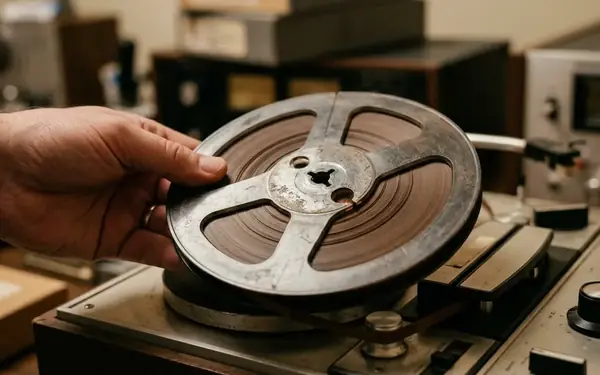
Early live theatre and theatre-in-education records remain the most vulnerable because routine audiovisual capture was not standard at the time. Broadcast work is more recoverable when scripts, listings, or tapes survive. The trust itself was set up to support new artists, not to reconstruct every past production in full.