Designing Friction Into Cultural Memory
Digital repositories are built for speed and immediate access. True preservation of Gaelic oral heritage requires introducing intentional friction into digital archives. A frictionless, universal ideal of access strips away the relational weight of the material, reducing complex human histories to easily consumable data points. The Tobar an Dualchais project succeeds precisely because it treats digitisation as a negotiated cultural relationship. At its core, the archive rests entirely on the ethical stewardship of living memory, prioritizing human dignity over technological capability.
The preservation programme brought together three major sound collections containing approximately 12,000 hours of Gaelic and Scots oral material. This staggering volume of cultural wealth demanded a deliberate, measured approach to digital translation. Development and large-scale digitisation occurred principally during 2006-2010, with the public website opening in 2010. During this intensive phase, the project rejected the standard practice of bulk transfer followed by unrestricted publication. They linked preservation, cataloguing, rights review, and community consultation into a single, inseparable workflow.
Delayed release, incomplete online coverage, and restricted recordings act as vital safeguards within this system. These intentional barriers ensure that the digital transition respects the original context of the spoken word. I often observe that the rush to digitise obscures the human element of the archive, prioritizing the existence of the file over the meaning of the voice. By slowing down the process, the project team honored the individuals captured on the tapes. They recognized that a digital file operates as a surrogate for a human life, carrying the heavy weight of dialect, kinship, and place.
This methodology aligns with the foundational principles of Pròiseact nan Ealan, ensuring that digital platforms elevate rather than flatten the cultural record. The friction introduced into the system forces the user to pause, to acknowledge the source, and to understand the context before consuming the media. It transforms the act of listening from passive consumption into active engagement with a living tradition.
The Magnetic Reel and the Placeless Audio Fracture
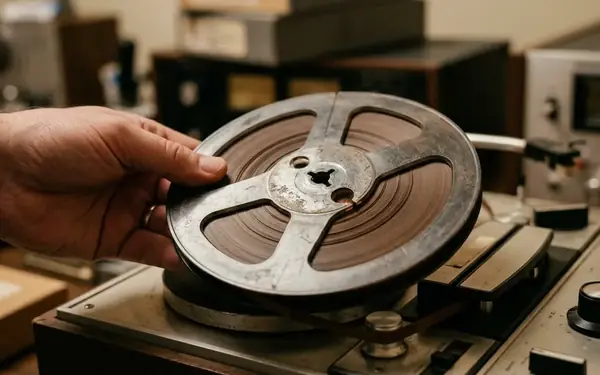
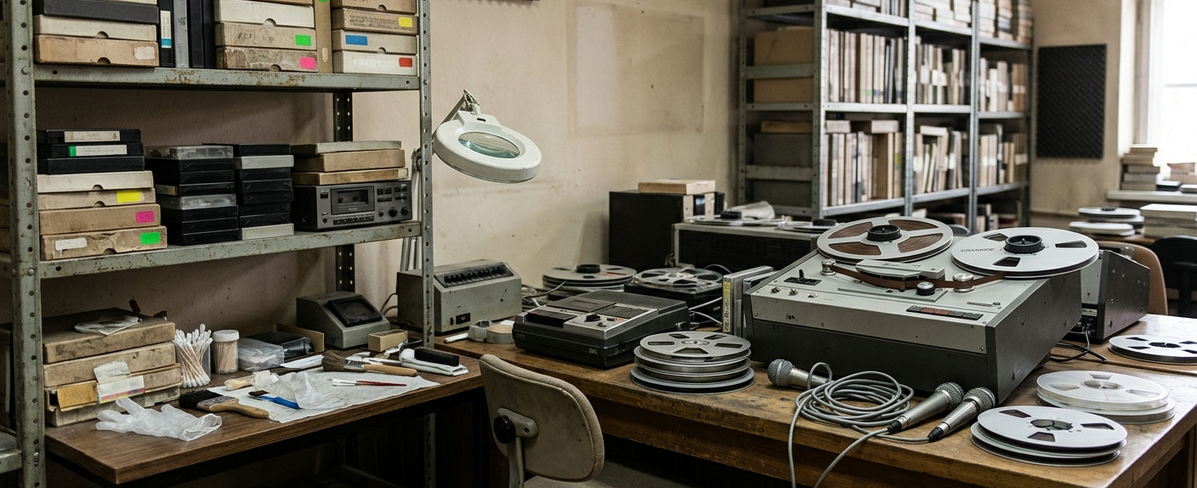
Staff first had to stabilise access to ageing recordings, assess carrier condition, and create preservation copies. The source collections include open-reel tapes, cassettes, and other analogue recordings made across the 1930s-1990s. Mid-century reels face severe risks including binder deterioration, mould, physical damage, and dependence on increasingly scarce playback equipment. Physical decay creates an undeniable urgency. The scent of degrading acetate and the brittle snap of old tape underscore the fragility of this cultural inheritance, demanding immediate intervention to prevent total loss.
Yet, a secondary, more complex threat looms over the process. Stripping these recordings of their local, relational context during the digitisation process poses a massive threat to the integrity of the oral tradition. This creates the magnetic-reel-to-placeless-audio context fracture. An intelligible audio file without provenance misidentifies a speaker and detaches a song from its landscape. The tension between the urgency to digitise before physical media crumbles and the necessity of understanding the cultural weight of the material defined the early work.
During the 2006-2010 preservation phase, carrier transfer had to proceed alongside descriptive research rather than waiting for every name, place, and narrative reference to be resolved. Cataloguers connected each digital object to speakers, collectors, places, recording dates, dialects, and subjects before deciding whether it was ready for public access. That sequence mattered immensely. It guaranteed that the digital surrogate retained its tether to the physical world and the human beings who voiced it.
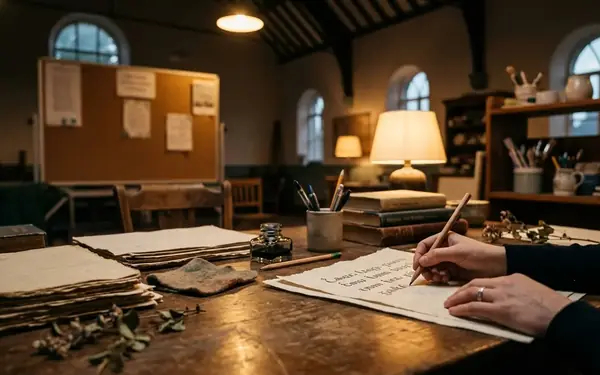
While this concurrent methodology effectively stabilizes mid-century media, it relies heavily on the availability of legacy playback hardware and specialized acoustic environments, introducing unavoidable logistical bottlenecks into the preservation timeline. The work requires patience, precision, and a deep respect for the material constraints of the analogue era. The cataloguers acted as forensic linguists, piecing together fragmented metadata to build a comprehensive picture of each recording's origin.
Retroactive Consent Across Generations
Legacy recordings made before internet distribution was foreseeable require careful, retroactive rights work. The project identified contributors and fieldworkers, sought contact with living participants or relatives where practicable, recorded permissions, and withheld or removed material when suitability was disputed. Rights clearance during 2006-2010 covered recordings originating from the 1930s-1990s. The interval between recording and proposed web publication could extend across several generations, complicating the ethics of consent.
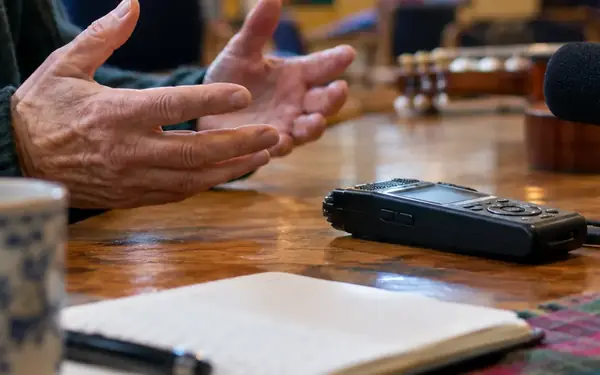
Broadcasting sacred, private, or highly localized community knowledge to a global internet audience demands rigorous ethical boundaries. Reviewers considered whether a recording contained private family testimony, sensitive local disputes, or culturally restricted knowledge. Operational responses included full publication, restricted publication, temporary withdrawal while a concern was investigated, and retention of a preservation copy without public streaming. This nuanced approach acknowledges that preservation does not automatically mandate publication.
Establishing The Withholding Boundary
This framework concerns non-commercial access to culturally sensitive archival recordings. It does not settle ownership of source-community knowledge or give an institution authority to override contributors, descendants, or communities with a legitimate claim over restricted material. This establishes the ancestral-voice withholding boundary between preservation custody and cultural authority. Recordings detailing the evacuation of St Kilda (Hiort), for instance, carry specific familial weight that supersedes institutional ambition.
The approach mirrors the deep contextual layering seen in initiatives like Na Mo Chuid Aodaich, where the material fabric of culture demands respect for its origins. The ethical mandate requires institutions to relinquish absolute control over their collections, recognizing that the true owners of the knowledge are the communities from which it sprang. This shift in perspective fundamentally alters the power dynamic between the archive and the public.
From Gatekeepers to Facilitators of Living Memory
Once preservation copies and rights records existed, the archive's role shifted from controlling access to physical carriers toward facilitating informed use. The 2010 public launch united recordings from three separate collections in one searchable and streamable catalogue while retaining collection-level provenance. From 2010 into the mid-2020s, access depended on item-level records and streamed excerpts or recordings rather than the transfer of ownership or unrestricted reuse rights.
Local populations regained active stewardship over how their specific dialects, songs, and histories are presented. Item pages were structured around provenance fields such as contributor, fieldworker, location, date, language, subject, and recording summary. Community members could then identify voices, correct place information, or add knowledge that an institutional cataloguer might miss. This qualitative shift transformed the archive from a static repository into a dynamic, living resource, fueled by the collective memory of the Gaelic-speaking world.
Prioritizing Provenance Over Search
The digital architecture prioritized cultural context and provenance over simple searchability. Modern access through iOS/Android applications or portals secured by 2FA must still route users through these vital provenance fields. The technology serves the context, never the other way around. The interface itself becomes a tool for cultural reclamation, inviting the community to participate in the ongoing curation of their own heritage.
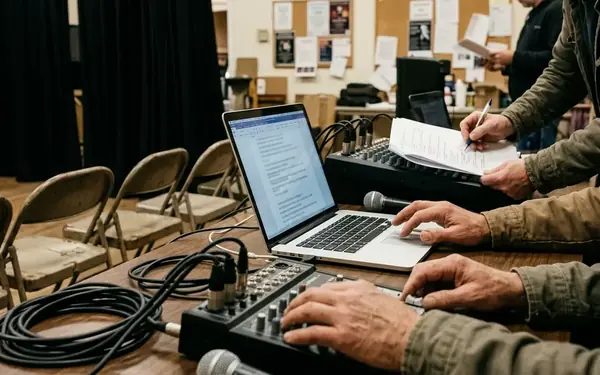
Where archival documentation outlines the initial cataloguing efforts, the subsequent community engagement reveals a profound deepening of the record. Users frequently supply missing names, clarify obscure dialect words, and provide vital historical context that enriches the entire collection. This collaborative model proves that an archive thrives when it opens its doors to the people whose history it holds, transforming a monologue into a vibrant, ongoing dialogue.
A Blueprint for Minority Language Archives
The Tobar an Dualchais model matters for future minority-language archives because dialect, kinship, place, and performance setting are part of the record, not optional metadata. The case joins analogue rescue carried out mainly in 2006-2010 with continuing online stewardship from 2010 through the mid-2020s. This long-term commitment demonstrates that digital preservation requires ongoing maintenance, both technical and relational.
Its reusable archival unit is a linked set comprising the sound file, source collection, named or unidentified speaker, collector, place, date or date range, language variety, subject description, and rights status. Ethical widening of access requires preservation copies, traceable provenance, recorded permissions, visible restrictions, and a route for communities to challenge description or publication. This approach protects the dignity of the source communities while widening meaningful access.
It echoes the monumental collaborative spirit of Leabhar Mòr na Gàidhlig, binding the voice to the page, the sound to the land. The work of the archive requires constant vigilance, ongoing dialogue, and a willingness to adapt to the evolving needs of the source communities. The ethical framework established here provides a durable foundation for this ongoing work, ensuring that the digital preservation of Gaelic oral heritage remains a collaborative, respectful, and deeply human endeavor.
When digital platforms default to open access, who ultimately holds the right to withhold a community's sacred memory?